The vagus nerve is one part of the body that deserves daily attention. It’s the longest cranial nerve in the body, extending from the brainstem, through the neck and chest, down to the belly and pelvic floor. While the vagus nerve is connected to every system in the body, it is most deeply connected to the sympathetic nervous system (fight or flight), immune response, the gut, and our sexual organs in the pelvis.
Due to its long path, the vagus nerve is also known as “the wanderer” nerve. It’s apparent why such a large nerve has such a big impact on our mood and how we react to external stressors, which has a cascade effect on the overall health of the body. Loss of tone to the vagus nerve can result in emotional stress, inexplicable physical pain in various areas of the body, and fatigue.
These are vital signs because they affect our immune system and inflammatory responses. A low-functioning immune system or high inflammation can lead to disease, and disease can cause damage to the vagus nerve. A damaged vagus nerve can’t send signals properly to the stomach muscles, the brain, or the pelvic floor, which can cause chronic problems with our mental health, nervous system, digestion, energy, sexuality, and more.
Strong vagal tone is the basis when it comes to regulating our moods and emotions, but it is also really important for hormonal health and very hard-to-trace gut imbalances. That’s because the vagus nerve provides a channel for all of our sensory information and tension receptors, connecting with areas like the esophagus, stomach, small intestine, and sensory endings in the liver and pancreas.
So how do we stimulate and tone the vagus nerve?
Belly breathing
In order to ensure we have a healthy, toned vagus nerve, we must stimulate it, aka Vagal Nerve Stimulation, or VNS. There are numerous ways to achieve this, since it spans such a large portion of our body. One of these ways is deep belly breathing. Begin by slowing your breath way down, to about six breaths per minute. Inhale into your chest, and then into your belly, expanding your rib cage and abdominal muscles before slowly exhaling all the air out.
Cold showers
Cold exposure can lower the sympathetic response, and increase parasympathetic activity through the vagus nerve, stimulating it for a quick jolt, then a very calm after-effect. Cold plunges or cold showers are a great way to stimulate the vagus nerve.
Singing, humming, or even “om” chanting
Because the vagus nerve is a very real, physical entity, it is attached to the back of your throat near the vocal cords. Even gargling water can help to tone the vagus nerve.
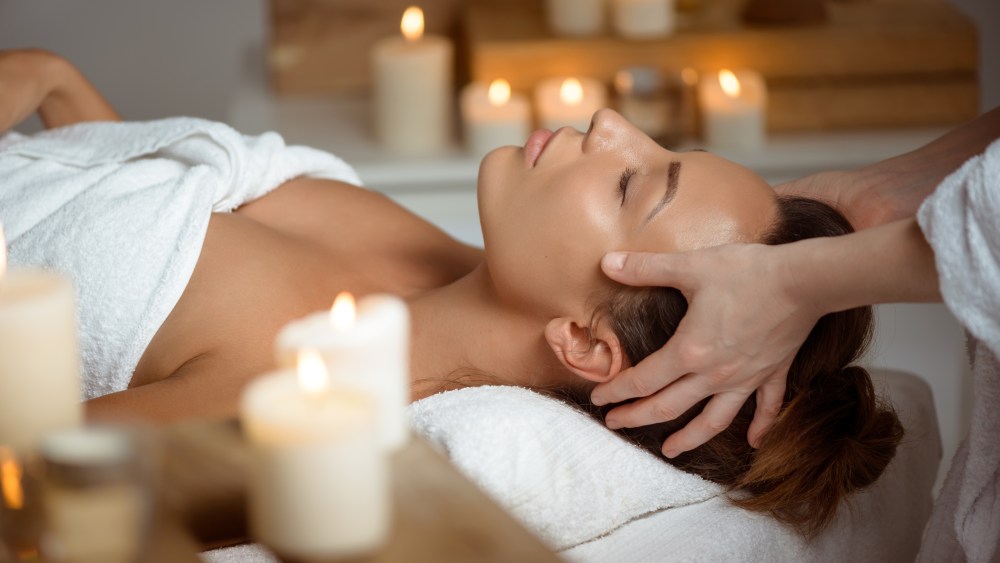
Scalp or foot massage
While the top of our skull and our feet are not directly in contact with the vagus nerve, these deeply relaxing forms of self-massage will stimulate our parasympathetic system, thus stimulating the vagus nerve.
beauty beauty trends celebrities celebrity news christmas coffee dating fall fashion fashion fashion designers fashion trends fashion week fitness hailey bieber hairstyles hair trends halloween harry potter health holidays Instagram jewelry Justin Bieber kate middleton King Charles meghan markle mental health milan fashion week movies music netflix paris fashion week prince harry princess diana prince william relationships royal family royals skincare street style television tennis travel valentine's day wellness
