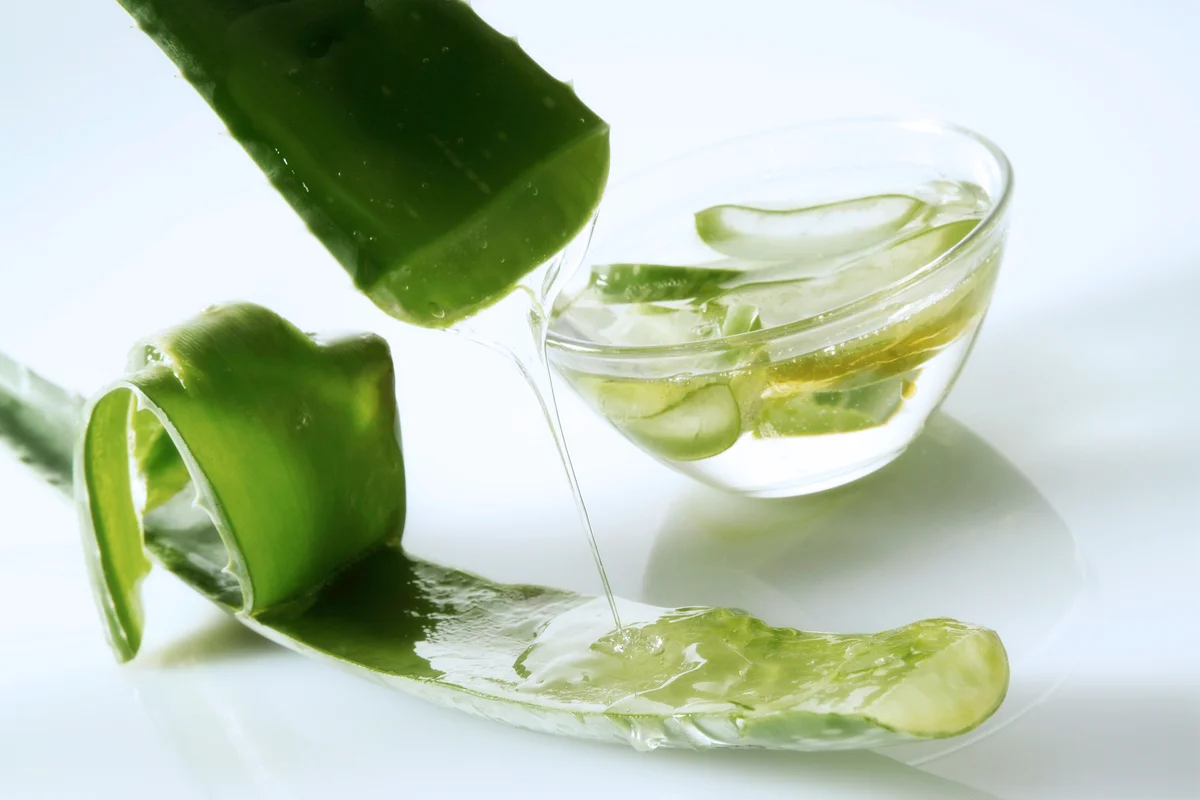
Aloe vera juice has likely appeared in your kitchen refrigerator at least once. If not, its large bottles are easy to spot in most stores—instantly recognizable for their translucent liquid and the curiosity they spark. While the skin-soothing benefits of aloe gel are widely known, the advantages of its juice remain less familiar. Beyond its reputation as a potent detoxifier, aloe vera juice offers a surprising range of wellness benefits.
What is aloe vera?
A succulent with a remarkable ability to retain water, aloe grows in many varieties. Among the most valued for cosmetic use are barbadensis miller—better known simply as aloe vera—arborescens, with its serrated leaves, and chinensis, a light-green stemmed variety native to China. Its skincare benefits have been appreciated since antiquity, with legends even suggesting Cleopatra bathed in a mixture of aloe juice and goat’s milk to achieve soft, smooth skin. Today, the gel remains a go-to remedy for irritation, sunburn, and post-sun care.
The benefits of aloe vera juice
Extracted from the plant’s pulp, aloe vera juice has a lightly tangy taste and can be consumed alone or added to smoothies and juices. Packed with vitamins and minerals, it stands out as one of the very few plant sources of vitamin B12—an essential nutrient for red blood cell production that is typically found in animal-based foods like meat, fish, milk, liver, and eggs.
The juice also contains beta-carotene, a powerful antioxidant that aids the absorption of vitamin A, crucial in combating free radicals and slowing skin and cell aging. For those following a vegan diet, aloe vera juice can be a valuable nutritional ally, helping reduce the risk of anemia.
Thanks to its soothing and anti-inflammatory properties, aloe vera juice may benefit individuals with ulcers, gastritis, colitis, and other inflammatory conditions of the mucous membranes, aiding digestion in the process. Its detoxifying qualities support liver and kidney health, encouraging the elimination of toxins and potentially assisting with weight management.
A note on its laxative effect
Aloe vera juice has recently gained renewed attention as part of morning wellness routines, often replacing lemon water on an empty stomach. This is partly due to its antioxidant and mild laxative properties, which may help relieve bloating and constipation. However, moderation is essential.
Naturally containing anthraquinones such as aloin—a compound with strong purgative effects—even small amounts can irritate the intestines and cause discomfort.
Choosing the right aloe vera juice
The highest quality aloe vera juice is pure, cold-pressed, and unpasteurized to preserve its nutrients. Heat pasteurization can reduce the concentration of polysaccharides, which are key to the plant’s benefits. Labels should indicate a high polysaccharide content, and certification seals can provide additional assurance of quality and origin. For storage, dark glass bottles are ideal, as they protect the juice from sunlight and maintain its potency.
beauty beauty trends celebrities celebrity news christmas coffee dating fall fashion fashion fashion designers fashion trends fashion week fitness hailey bieber hairstyles hair trends halloween harry potter health holidays Instagram jewelry Justin Bieber kate middleton King Charles meghan markle mental health milan fashion week movies music netflix paris fashion week prince harry princess diana prince william relationships royal family royals skincare street style television tennis travel valentine's day wellness
