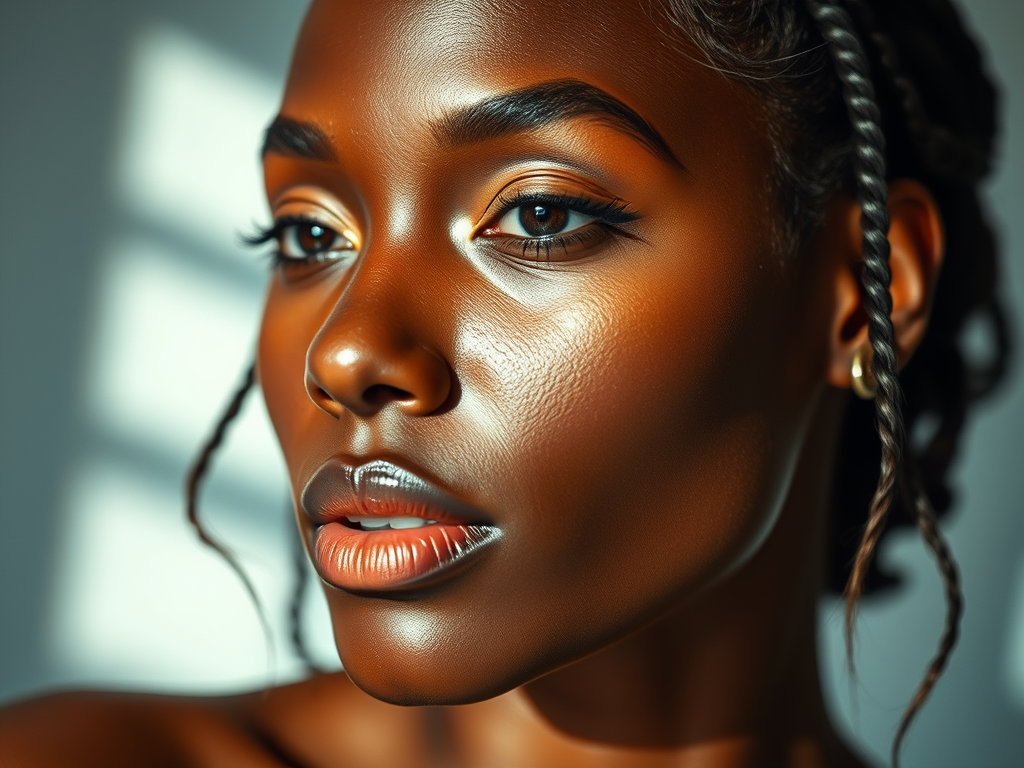
There’s a conversation happening inside your body that most skincare routines never bother to join. You can layer on the serums, commit to the double cleanse, swap your pillowcase every three days — and still wake up to breakouts that refuse to budge. For a growing number of integrative health practitioners, the explanation isn’t in your medicine cabinet. It’s deeper than that, tucked beneath the ribcage, quietly managing over 500 biological functions: the liver.
The organ your esthetician never mentions
The connection between liver health and skin condition is one of those links that feels obvious in retrospect and yet rarely comes up in a dermatologist’s office. Dr. Robynne Chutkan, gastroenterologist and founder of the Digestive Center for Wellness in Washington D.C., has written and spoken extensively on the gut-skin axis — the bidirectional relationship between internal organ function and what shows up on the surface. “The skin is essentially a mirror of what’s happening internally,” she has said. “When we see chronic inflammation on the outside, we should be asking what’s driving it on the inside.”
The liver is central to that internal story. Its primary job is filtration — processing everything that enters the body and deciding what to use, what to store, and what to eliminate. When it becomes overburdened, whether through diet, alcohol, chronic stress, or environmental toxin exposure, that filtration system slows. Impurities that would otherwise be neutralized and excreted begin to accumulate, and the body recruits a secondary elimination route: the skin.
Acne, in this context, isn’t just a surface problem. It’s a signal. Particularly the kind that clusters along the jawline and chin — areas long associated in both traditional Chinese medicine and modern functional health with hormonal and digestive imbalance.
The cortisol connection
Stress adds another layer to this already complex picture. Dr. Lise Alschuler, naturopathic oncologist and professor at the University of Arizona’s Andrew Weil Center for Integrative Medicine, has written at length about the downstream effects of chronic cortisol elevation on metabolic and skin health. The cascade goes like this: sustained stress raises cortisol, cortisol promotes insulin resistance, insulin resistance disrupts hormonal balance, and elevated androgens like testosterone drive sebum overproduction. More sebum means more congestion, more congestion means more breakouts, and the liver, already taxed by the metabolic fallout of chronic stress, is less equipped to manage the load.
“We treat stress as though it’s purely psychological,” Dr. Alschuler has noted, “but its physiological footprint is enormous. It touches every system in the body, including the ones responsible for detoxification and skin integrity.”
Glutathione — often called the body’s master antioxidant — is produced primarily in the liver and plays a critical role in neutralizing free radicals and supporting cellular repair. When the liver is compromised, glutathione production drops, and the skin loses one of its most important internal allies. The result is often dullness, uneven tone, inflammation, and persistent breakouts that no topical treatment can fully resolve.
The ingredient list nobody reads in food
Just as the clean candle movement has forced consumers to scrutinize what they’re burning in their homes, a parallel reckoning is underway in how we think about what we’re putting into our bodies and what that asks of our liver. Ultra-processed foods, refined sugars, industrial seed oils, and synthetic additives all require significant hepatic processing. Alcohol is the most obvious offender, but it’s far from the only one.
Dr. Mark Hyman, physician and founder of the UltraWellness Center in Lenox, Massachusetts, has been direct on this point for years. “The liver is the workhorse of the body,” he has written, “and we are asking it to do more than it was ever designed to handle.” His clinical work, detailed across several books and research collaborations, consistently points to dietary intervention as the most powerful lever available for restoring liver function, and by extension, skin clarity.
A real plan for clearing the liver and the skin
Unlike the oversimplified “detox” products crowding pharmacy shelves, genuine liver support is less about what you add and more about what you remove, reduce, and replace. The following approach draws on current nutritional science and integrative medicine guidelines:
1. Lead every meal with vegetables. Aim for half your plate to be non-starchy vegetables at every sitting. Cruciferous vegetables — broccoli, cauliflower, brussels sprouts, arugula, and kale — are particularly valuable, as they contain compounds like sulforaphane and indole-3-carbinol that actively support Phase II liver detoxification pathways.
2. Eliminate processed foods and processed meats. The additives, preservatives, nitrates, and industrial fats in processed products place a sustained burden on hepatic filtration. Whole, single-ingredient foods require significantly less processing effort from the liver.
3. Limit fruit to two or three pieces per day and pair it. Fruit sugars, though natural, still require liver processing. Eating fruit alongside protein and healthy fat slows the glycemic response and reduces the metabolic demand on the liver. Opt for lower-fructose fruits like berries, green apples, and citrus.
4. Eat eggs — specifically the yolk. Up to four soft-boiled or poached eggs per week provides a meaningful dose of choline, a nutrient found primarily in egg yolk that is essential for fat transport in the liver and a critical component of liver detoxification. Most Americans are choline-deficient.
5. Choose fats deliberately. Extra-virgin olive oil, flaxseed oil, and avocado oil are all supportive of liver health and cellular membrane integrity. Animal fats and refined vegetable oils should be minimized. A practical target is roughly two tablespoons of healthy fat per meal.
6. Reduce or eliminate dairy. Dairy, particularly in excess, can contribute to hormonal disruption and inflammatory load. For those with persistent skin issues, a trial elimination of dairy for four to six weeks is one of the most consistently recommended interventions in functional dermatology. Replace with protein-rich alternatives like legumes, hemp seeds, or clean protein sources.
7. Build in two to three plant-based days per week. Allowing the digestive system regular breaks from animal protein reduces the liver’s processing demands and creates space for cellular repair. Plant-based days centered on legumes, whole grains, nuts, seeds, and vegetables also tend to be naturally higher in fiber — which is essential for binding and excreting the toxins the liver works hard to neutralize.
8. Cut fast and slow carbohydrates for a reset period. Alcohol, refined pasta, white bread, pastries, and most packaged snacks all spike blood sugar and demand significant liver involvement. A structured period of carbohydrate reduction — even two to four weeks — can produce noticeable improvements in both liver enzyme markers and skin clarity. This isn’t a permanent prescription, but a recalibration.
9. Support the liver with targeted foods. Beyond the dietary framework above, certain foods have well-documented hepatoprotective properties: milk thistle (silymarin), dandelion root, beets, garlic, turmeric, and green tea have all been studied for their ability to support liver enzyme function, reduce inflammation, and enhance the body’s natural detoxification capacity. Incorporating these regularly, as food or as simple teas and supplements, adds meaningful support on top of the dietary foundation.
10. Address stress as a non-negotiable. No dietary protocol fully compensates for chronic cortisol elevation. Sleep, movement, nervous system regulation practices like breathwork or meditation, and reducing stimulant intake — particularly caffeine after noon — all play a direct role in liver and skin health. Caffeine raises cortisol, and cortisol, as the chain reaction above makes clear, eventually shows up on your face.
The longer view
Skin that clears from the inside out tends to stay clear in a way that topical treatments rarely achieve on their own. The liver is not a trendy wellness concept; it is a fundamental organ whose condition shapes everything from energy and digestion to hormonal balance and the brightness of your complexion. Treating it well is less a detox in the commercial sense and more a sustained practice of reducing unnecessary burden and giving the body what it needs to do its job.
The skin, as it turns out, is an excellent reporter. When the liver is struggling, it finds a way to say so. And when the liver is supported, genuinely, structurally, through daily choices rather than weekend juice cleanses, the face tends to reflect that too.
beauty beauty trends celebrities celebrity news christmas coffee dating fall fashion fashion fashion designers fashion trends fashion week fitness hailey bieber hairstyles hair trends halloween harry potter health holidays Instagram jewelry Justin Bieber kate middleton King Charles meghan markle mental health milan fashion week movies music netflix paris fashion week prince harry princess diana prince william relationships royal family royals skincare street style television tennis travel valentine's day wellness
