Seasonal eating is more than a culinary preference—it is a practice that nourishes both body and planet. At a time when ultra-processed foods dominate much of the Western diet, the benefits of choosing what grows naturally at different points in the year are striking. Studies consistently link high consumption of ultra-processed foods to increased risks of cardiovascular issues, metabolic imbalance, and even poorer mental health outcomes. By contrast, opting for produce that is harvested in its rightful season provides the body with nutrient-rich foods while reducing the environmental burden of global transport and preservation methods.
Unlike fruit and vegetables flown across continents, seasonal produce arrives fresher, retaining more of its natural flavor, antioxidants, and vitamins. Eating seasonally also encourages dietary variety. The body’s microbiome thrives when exposed to a wide range of phytochemicals, plant fibers, and nutrients. In this way, rotating foods with the rhythm of the seasons builds a more resilient internal ecosystem—one that supports immunity, digestion, and overall vitality.
As autumn deepens, markets and farm stalls are abundant with vibrant harvests. These are the ingredients that not only suit the season’s warming recipes but also carry powerful health benefits.
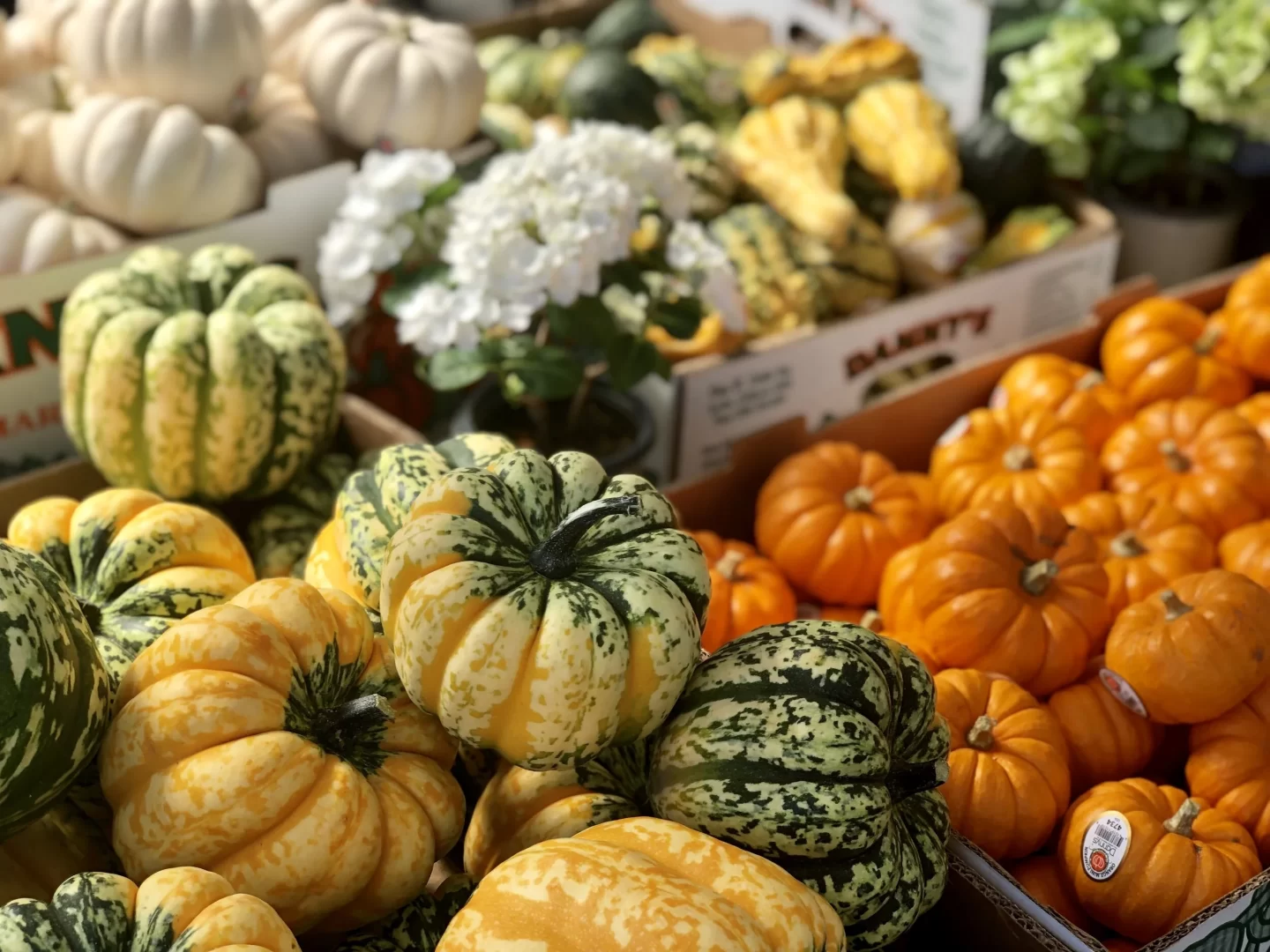
Squash
Packed with fiber and slow-releasing carbohydrates, squash provides lasting energy and satiety. Its magnesium content helps support heart health, while its versatility makes it a seasonal essential. Whether roasted, pureed into soups, or baked into hearty curries, squash is a cornerstone of autumn cooking.
Beetroot
Deeply pigmented and antioxidant-rich, beetroot improves blood flow and supports cardiovascular function. Its anti-inflammatory properties, combined with its high folate and fiber content, make it a food that protects while it energizes. Grated raw into salads or slow-roasted with herbs, it is as adaptable as it is beneficial.
Apples
High in fiber and protective plant compounds, apples are linked to lower risks of chronic disease. Their antioxidants contribute to long-term health, while their natural sweetness provides balance in both savory and sweet recipes. Baked with cinnamon, sliced into salads, or eaten whole, they are among the season’s simplest pleasures.
Broccoli
Dense with vitamin C, vitamin K, calcium, and fiber, broccoli plays a role in everything from immune defense to digestive health. Steamed, stir-fried, or roasted, it proves that nutrient-rich eating can also be deeply satisfying.
Cabbage
Often underestimated, cabbage is a nutritional powerhouse. With its high levels of vitamin C, vitamin K, and essential minerals such as potassium and magnesium, it supports heart health, bone strength, and digestion. Fermented into sauerkraut or cooked gently in soups, it offers both flavor and function.
Jerusalem Artichokes
An unsung hero of the season, Jerusalem artichokes provide iron, vitamin C, and inulin—a fiber known for its prebiotic benefits to the gut. Their earthy flavor makes them a striking addition to roasted vegetable dishes or puréed into creamy sides.
Potatoes
Far from being mere comfort food, potatoes are a rich source of antioxidants, potassium, and resistant starch, which stabilizes blood sugar levels. Retaining their skins maximizes their nutritional value, particularly when baked or boiled. Their adaptability ensures they remain a staple throughout colder months.
Leeks
Closely related to onions, leeks are a concentrated source of magnesium, iron, folate, and antioxidant compounds. They reduce inflammation and support healthy blood and digestive systems. Gently sweated into stews or blended into soups, they lend depth to countless autumn dishes.
Pumpkin
Often overlooked as decoration, pumpkins are in fact nutrient-dense, boasting high levels of vitamin A and antioxidants. With their natural sweetness, they shift seamlessly between savory and sweet applications, from risottos to pies, carrying all the warmth and abundance of autumn with them.
To eat seasonally is to embrace the rhythms of nature while offering the body the nutrition it most needs at each time of year. Autumn’s bounty is grounding, hearty, and protective—foods that support energy, strengthen immunity, and prepare the body for colder months ahead. By leaning into the harvest, health and sustainability align, proving once more that the most timeless wisdom often grows closest to home.
beauty beauty trends celebrities celebrity news christmas coffee dating fall fashion fashion fashion designers fashion trends fashion week fitness hailey bieber hairstyles hair trends halloween harry potter health holidays Instagram jewelry Justin Bieber kate middleton King Charles meghan markle mental health milan fashion week movies music netflix paris fashion week prince harry princess diana prince william relationships royal family royals skincare street style television tennis travel valentine's day wellness
